
Aerial Foundations Blog: Aerial Arts Training Insights
Featured
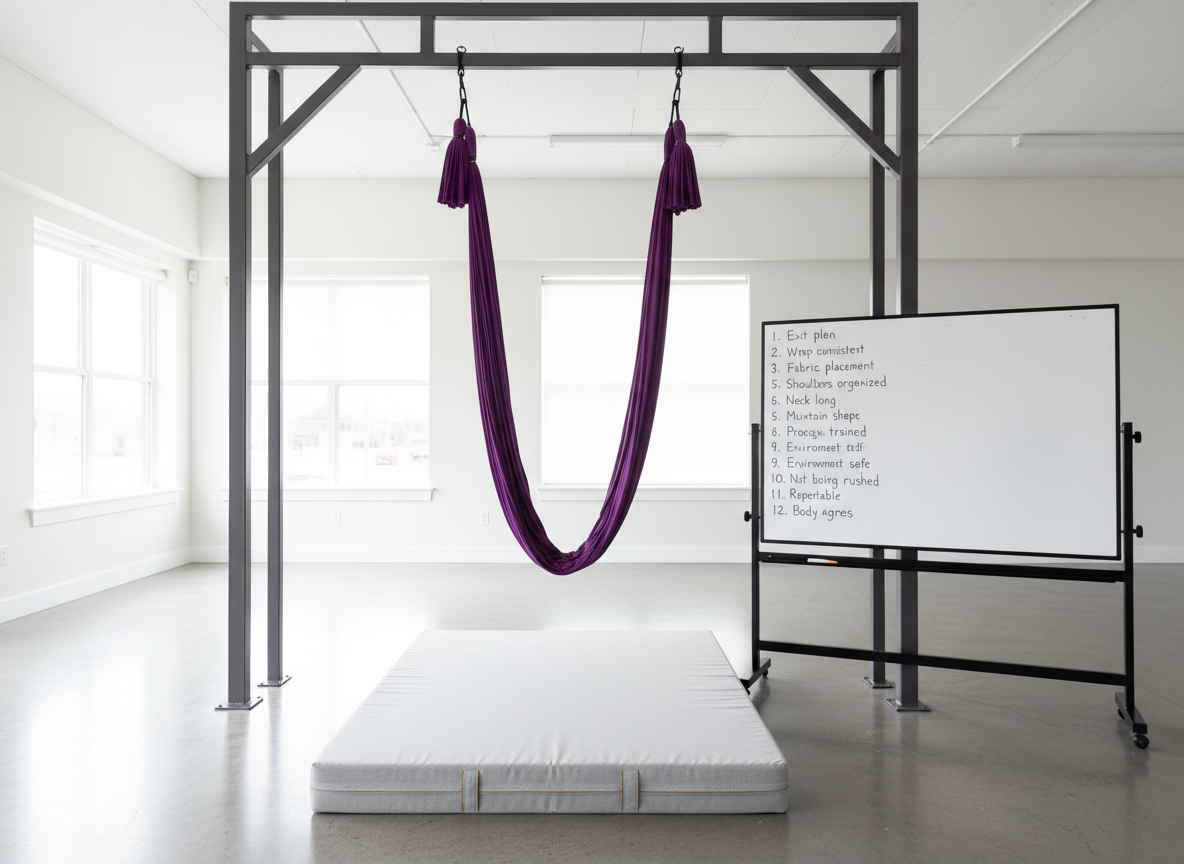


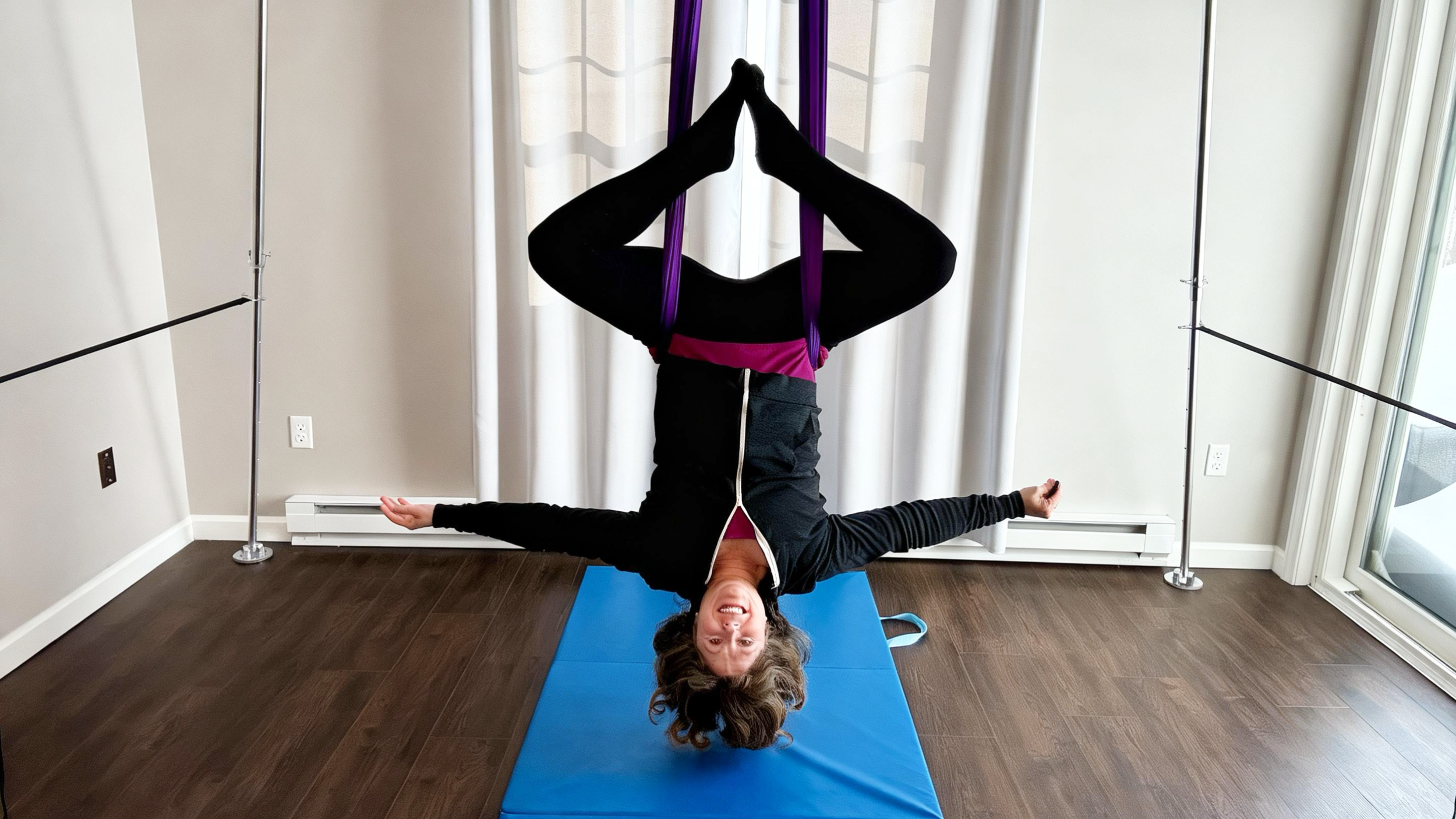
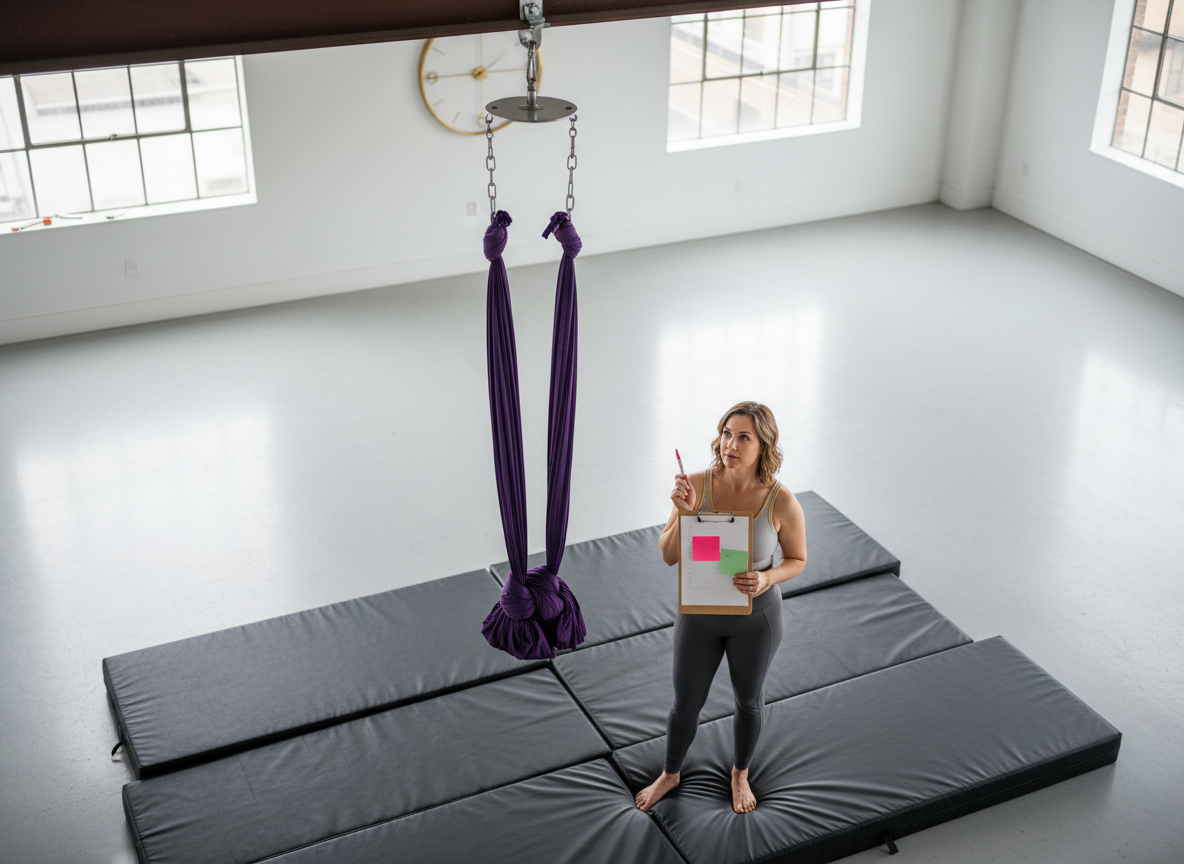
Aerial drops aren’t unsafe because they’re drops—they become unsafe when the factors around the drop aren’t addressed. This safety checklist covers the unsexy essentials most people skip: exits, wrap consistency, fabric placement, shoulder and neck organization, activation under load, nervous system regulation, environment setup, and not being rushed. Save it, use it, and earn drops with readiness—not bravery.
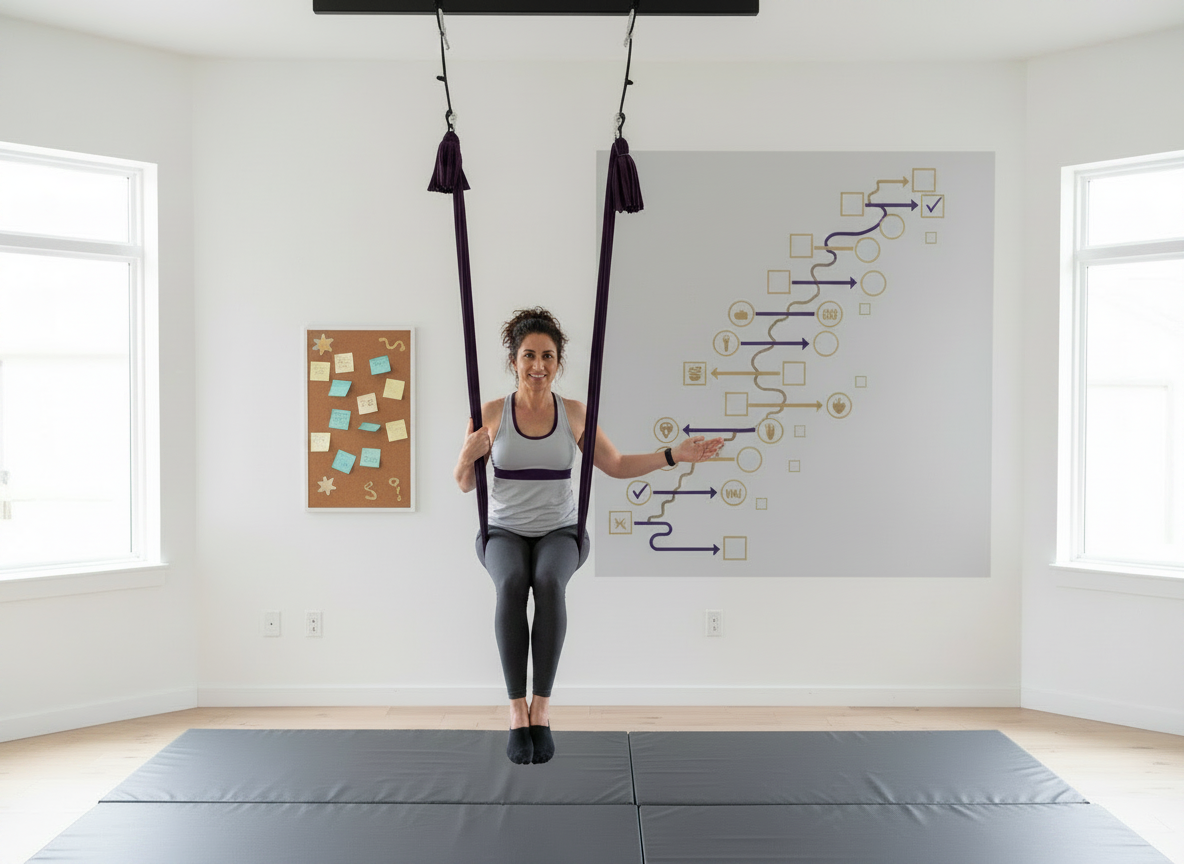
Drops look like a split-second release—but safe drop training starts way earlier. In this post, I break down the prerequisites I teach in beginner aerial hammock/sling: plank-on-fabric activation, controlled “see-saw” drop mechanics without letting go, and finally a supported release with organized shoulders and a protected neck. If you want drops someday, this is how you earn them with readiness, reps, and nervous-system trust.
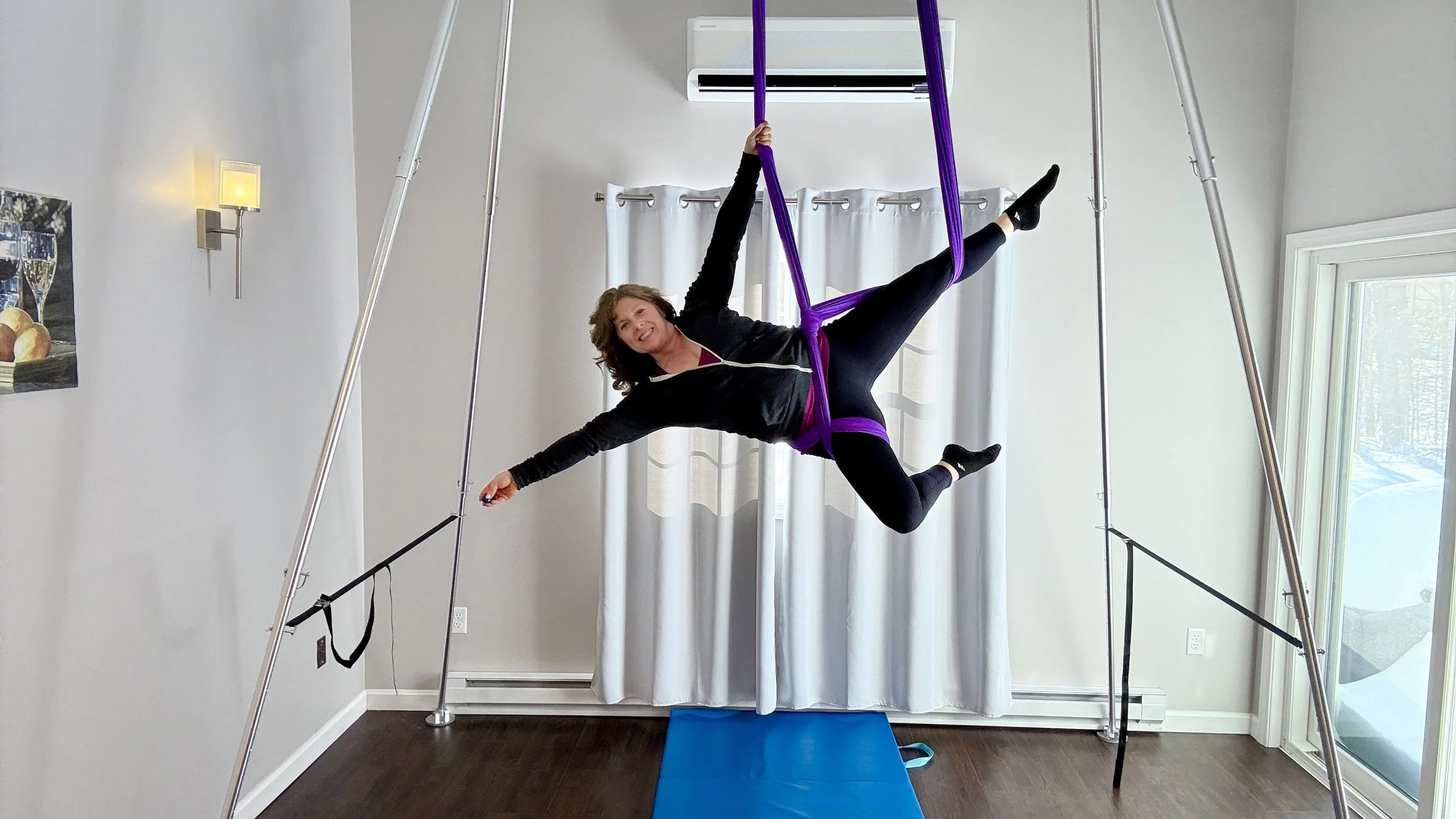
The excitement was real when I got into an intermediate/advanced aerial hammock class at a famous circus school—so I did what a lot of motivated students do: I chased the big drops first. And I did them… once. But that “I survived it” moment didn’t mean I owned the skill, had the foundations, or could repeat it safely on an off day (or my off side). In this post, I’ll break down why random tricks don’t stick—and what real progressions actually look like: activation first, strength patterns, clear landmarks + exits, and training both sides—so your aerial skills become repeatable, confident, and truly yours.
If you’ve ever watched someone float into an aerial hammock inversion on Instagram and thought, “Cool… I’ll never get there,” this is for you. You’re not behind—you’re just seeing the highlight reel without the timeline. In this post, I’ll show you why “progress” in aerial sling/hammock isn’t about getting the trick fast, and what to track instead: activation, cleaner basics, both sides, nervous system confidence, consistency, and recovery—so you can build strength and trust in your body without rushing or forcing.
Aerial hammock training and aerial yoga flows both use suspended fabric — but they serve very different purposes. One restores and releases. The other builds strength and skill. Understanding the difference helps you choose the right practice for your body, your goals, and your day. Here's how to tell them apart.
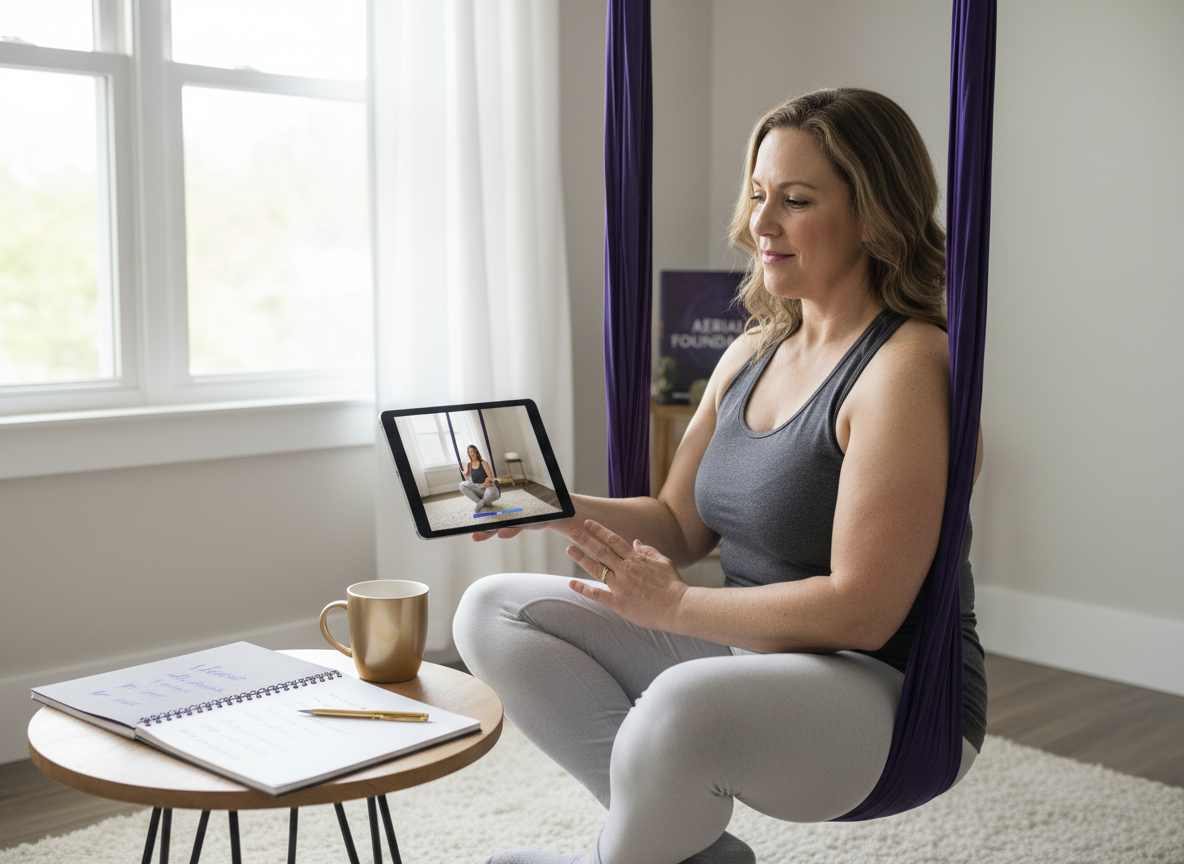
Just set up your aerial hammock or aerial sling and not sure what to do first? This beginner-friendly guide walks you through the safest first steps—simple exercises, activation and alignment cues, and an exact “first practice” plan so you can build strength and confidence without muscling or guessing.
What to check for when starting at any aerial yoga or circus studio. Learn studio red flags vs green flags, what to ask, and what to do if you’re being rushed into drops or complex moves.
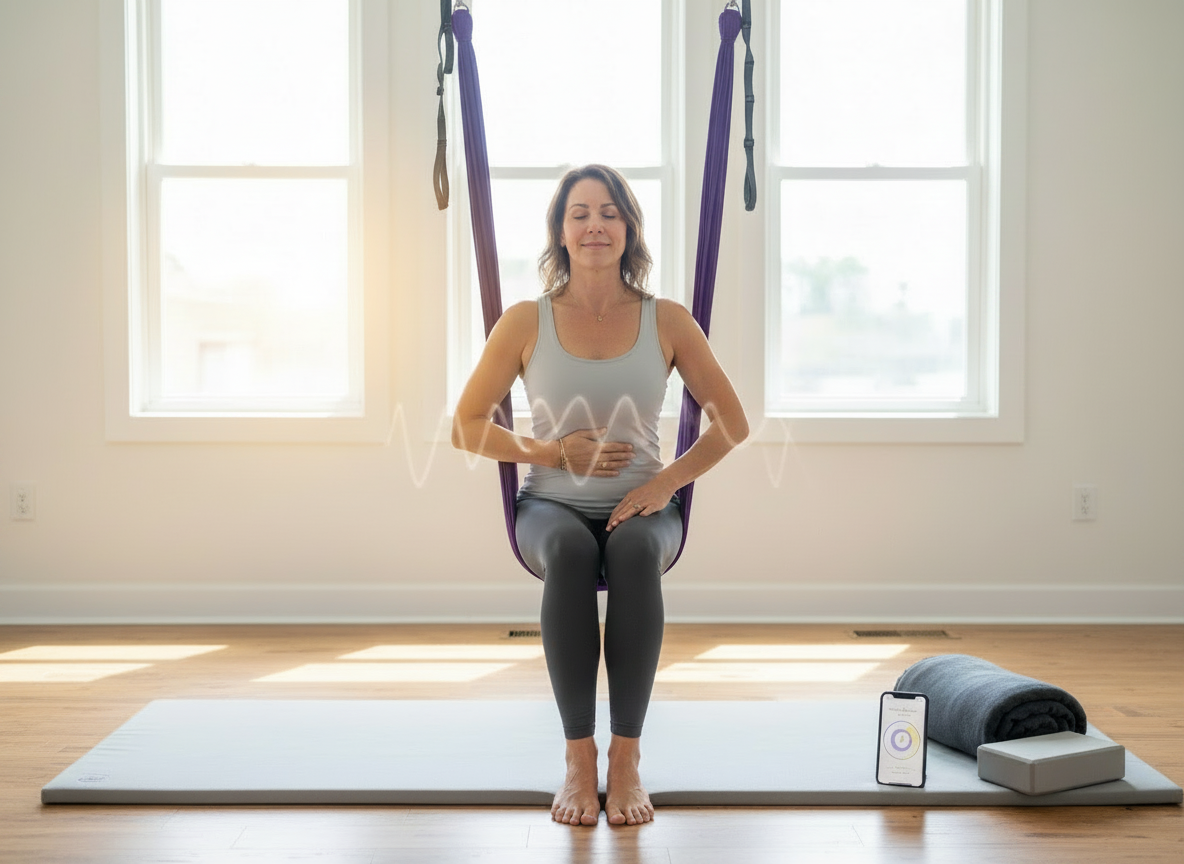
Most aerial students learn what to do—hand placement, wraps, climbs, “engage your core.” But far fewer are taught what’s happening in the nervous system while they do it. In this story, I share how one seemingly calm student hit a fight/flight/freeze wall right before inversions—and how breath, pacing, and choice helped her build safer confidence. If you’re learning aerial at home or you tend to “push through,” regulation-first cues can make skills feel faster, steadier, and more sustainable.
Aerial hammock healed my back—but trying to learn online left me confused, unsupported, and exposed to unsafe “beginner” choices. Here’s what was missing, and why I built Aerial Foundations.