
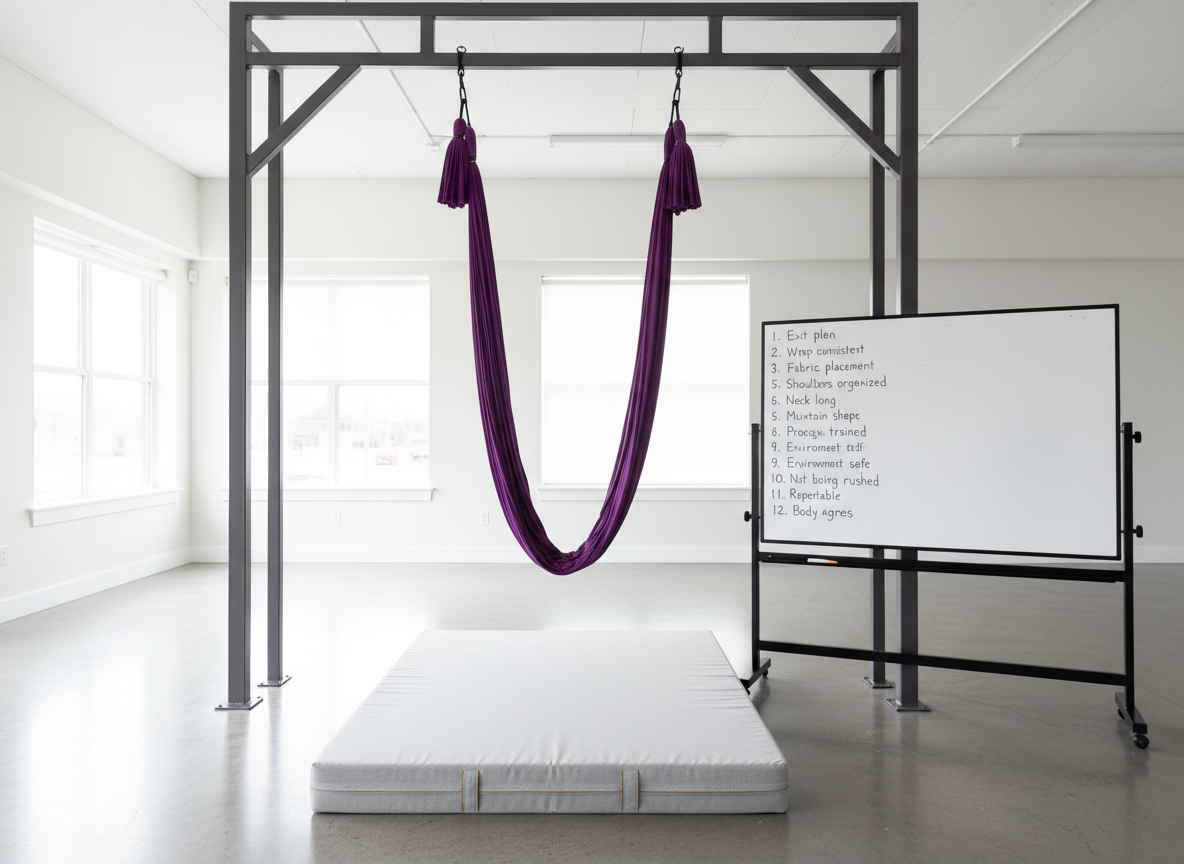
Aerial Sling Drops Safety Checklist: The Factors Most People Don’t Talk About
Aerial drops aren’t unsafe because they’re drops—they become unsafe when the factors around the drop aren’t addressed. This safety checklist covers the unsexy essentials most people skip: exits, wrap consistency, fabric placement, shoulder and neck organization, activation under load, nervous system regulation, environment setup, and not being rushed. Save it, use it, and earn drops with readiness—not bravery.

Drop Training Starts Long Before You Drop: Readiness, Reps, and Prerequisites
Drops look like a split-second release—but safe drop training starts way earlier. In this post, I break down the prerequisites I teach in beginner aerial hammock/sling: plank-on-fabric activation, controlled “see-saw” drop mechanics without letting go, and finally a supported release with organized shoulders and a protected neck. If you want drops someday, this is how you earn them with readiness, reps, and nervous-system trust.
Why Random Tricks Don’t Stick: What Real Progressions Look Like in Aerial Hammock
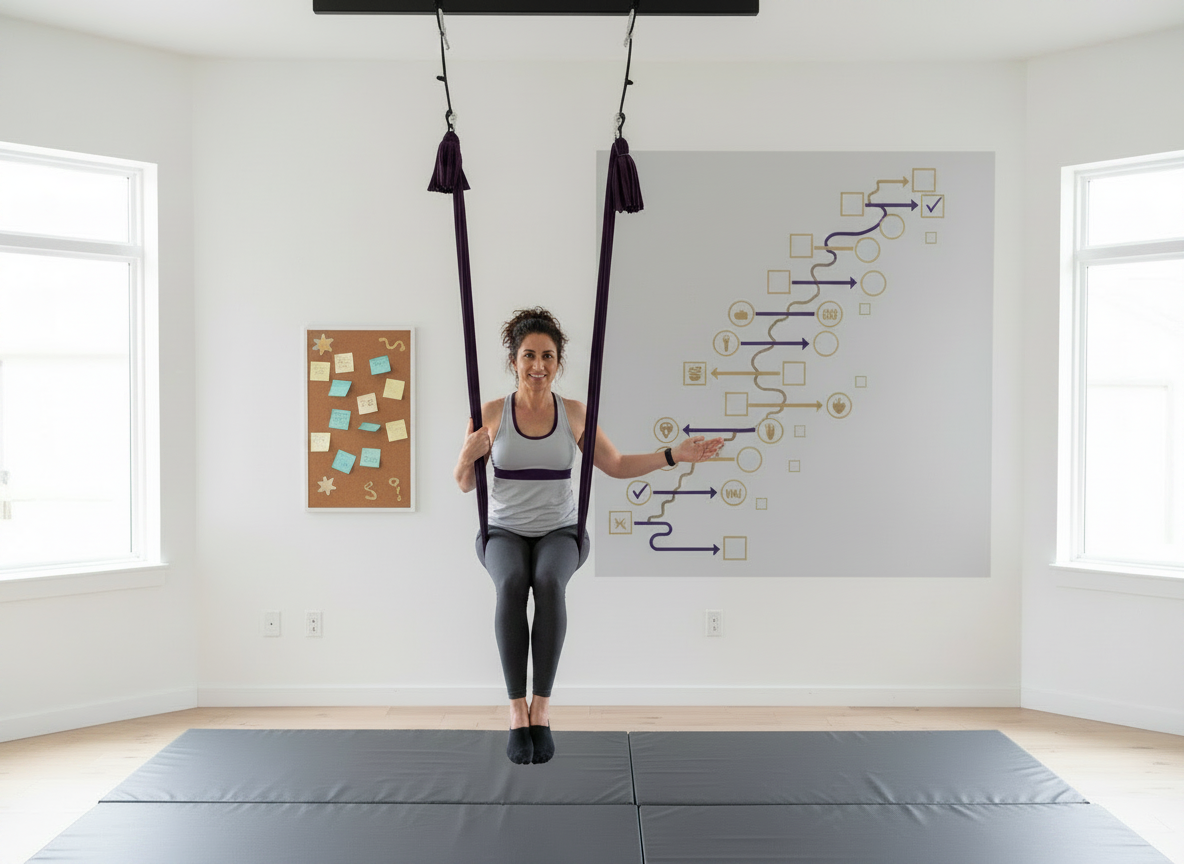
The excitement was real when I got into an intermediate/advanced aerial hammock class at a famous circus school—so I did what a lot of motivated students do: I chased the big drops first. And I did them… once. But that “I survived it” moment didn’t mean I owned the skill, had the foundations, or could repeat it safely on an off day (or my off side). In this post, I’ll break down why random tricks don’t stick—and what real progressions actually look like: activation first, strength patterns, clear landmarks + exits, and training both sides—so your aerial skills become repeatable, confident, and truly yours.
You’re Not Behind: Why Progress Isn’t a Race (and What to Track Instead)
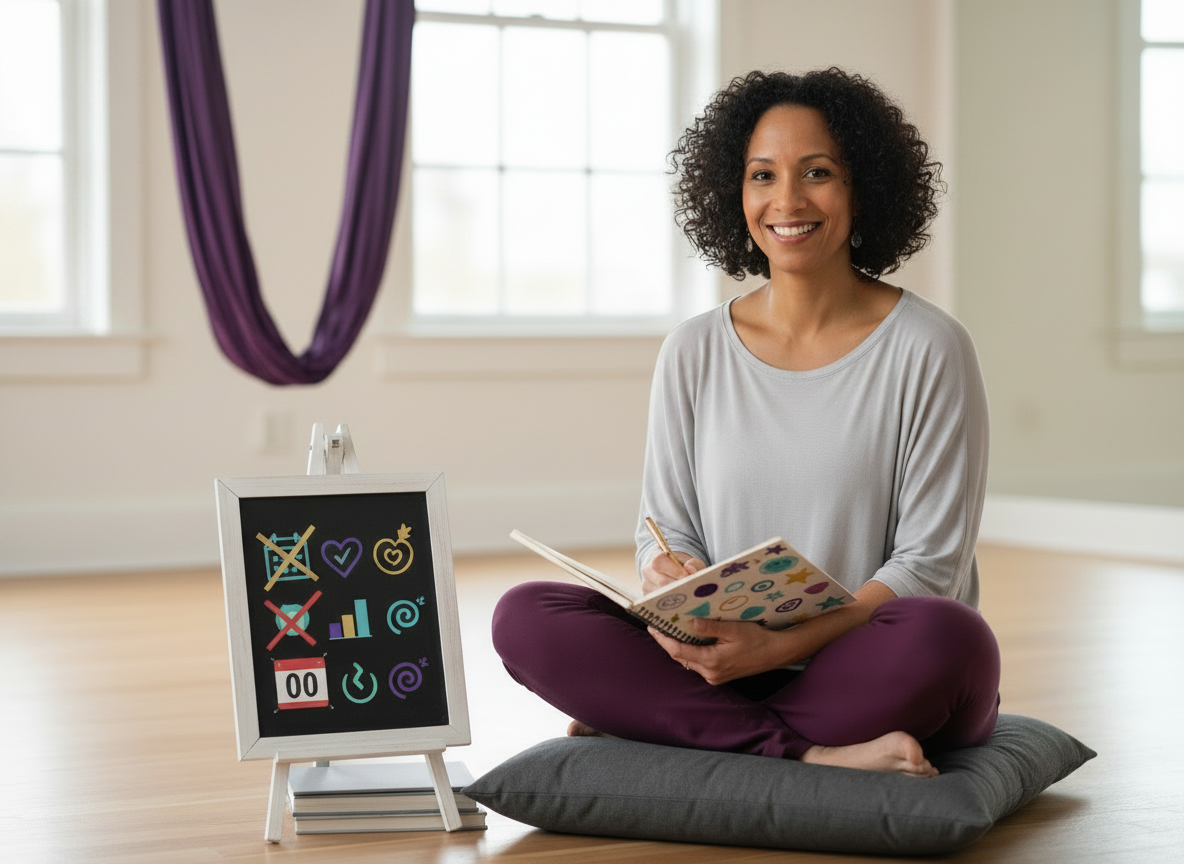
If you’ve ever watched someone float into an aerial hammock inversion on Instagram and thought, “Cool… I’ll never get there,” this is for you. You’re not behind—you’re just seeing the highlight reel without the timeline. In this post, I’ll show you why “progress” in aerial sling/hammock isn’t about getting the trick fast, and what to track instead: activation, cleaner basics, both sides, nervous system confidence, consistency, and recovery—so you can build strength and trust in your body without rushing or forcing.
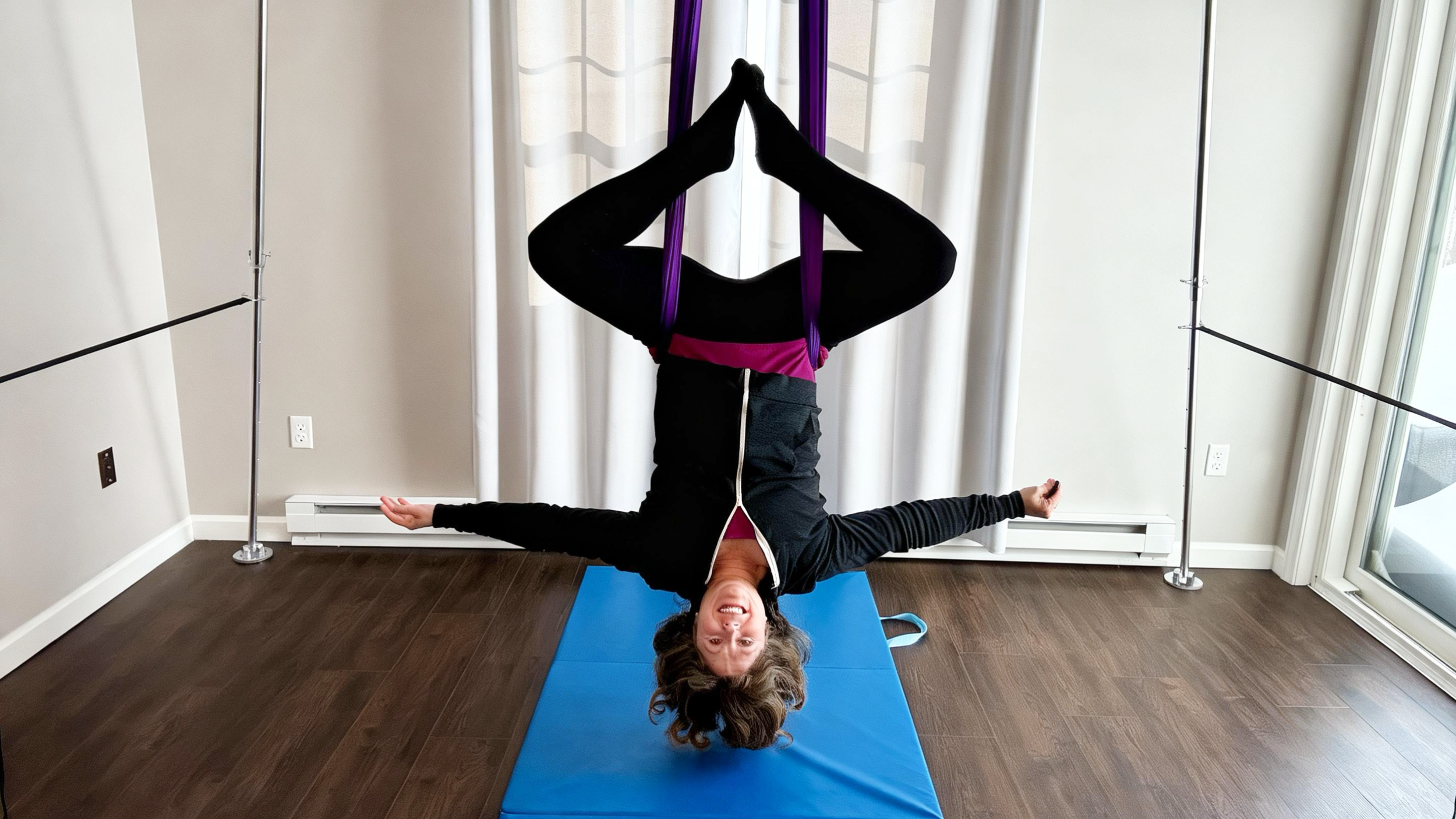
Aerial Hammock Training vs. Aerial Yoga Flows: What's the Difference?
Aerial hammock training and aerial yoga flows both use suspended fabric — but they serve very different purposes. One restores and releases. The other builds strength and skill. Understanding the difference helps you choose the right practice for your body, your goals, and your day. Here's how to tell them apart.
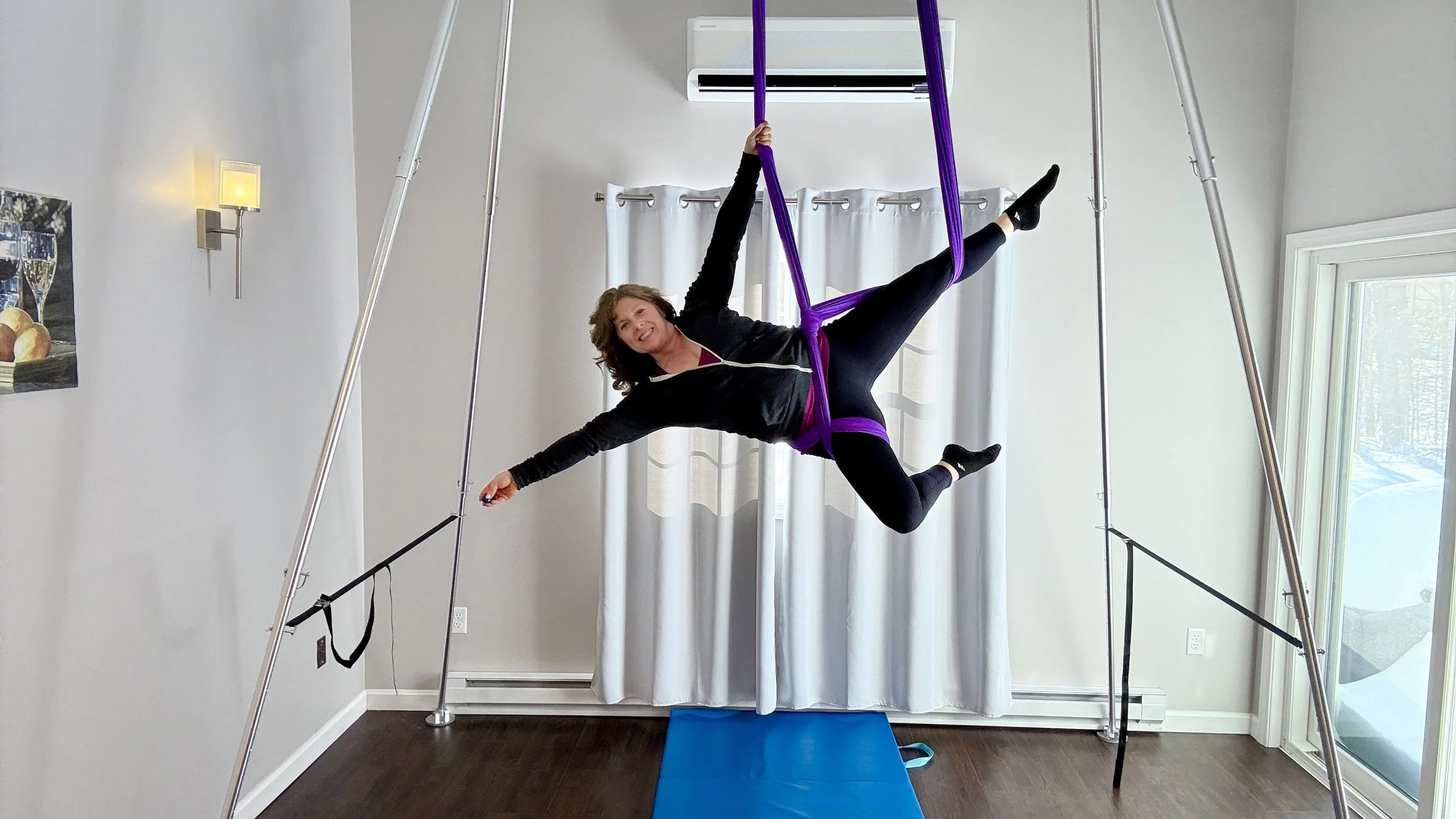
Just Got Your Aerial Hammock? Here's Exactly What to Practice First
Just set up your aerial hammock or aerial sling and not sure what to do first? This beginner-friendly guide walks you through the safest first steps—simple exercises, activation and alignment cues, and an exact “first practice” plan so you can build strength and confidence without muscling or guessing.
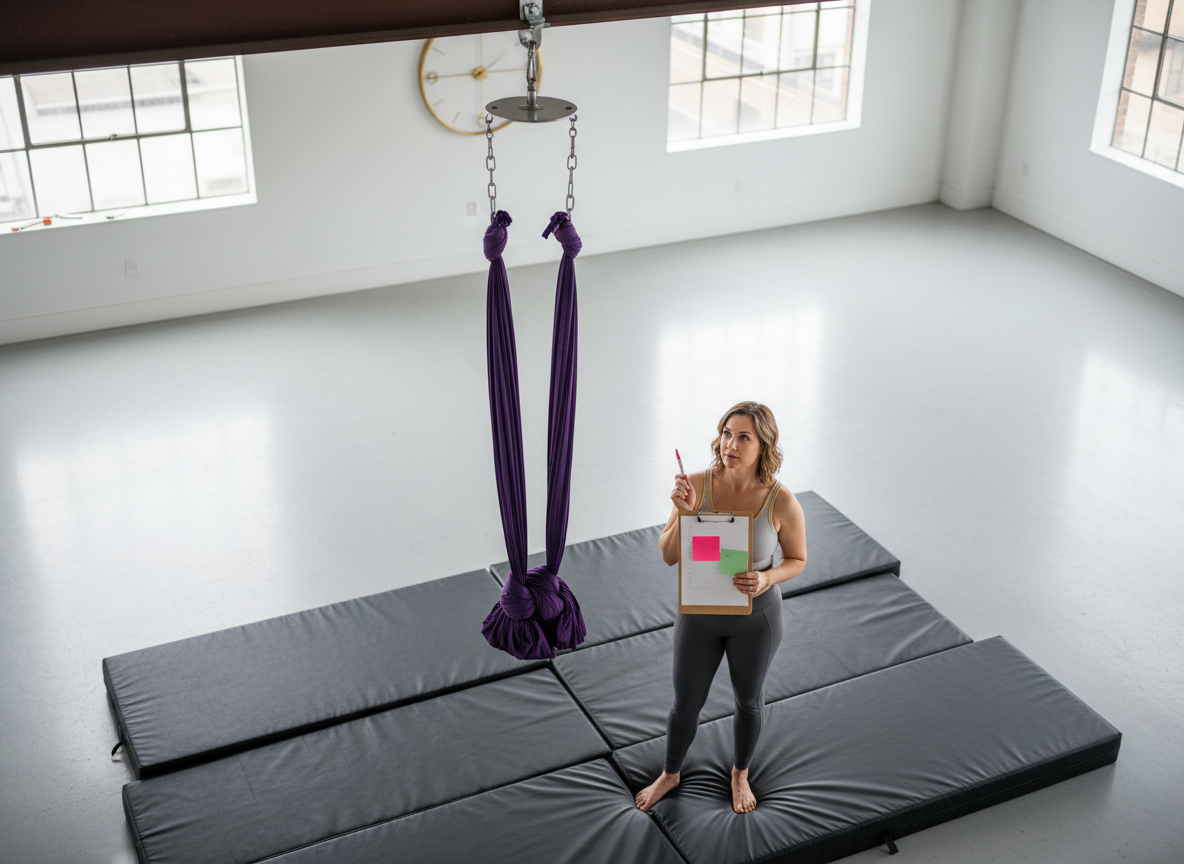
Studio Student Reality Check: Aerial Hammock Class Safety (Red Flags, Green Flags, and What to Do If You’re Being Rushed)
What to check for when starting at any aerial yoga or circus studio. Learn studio red flags vs green flags, what to ask, and what to do if you’re being rushed into drops or complex moves.
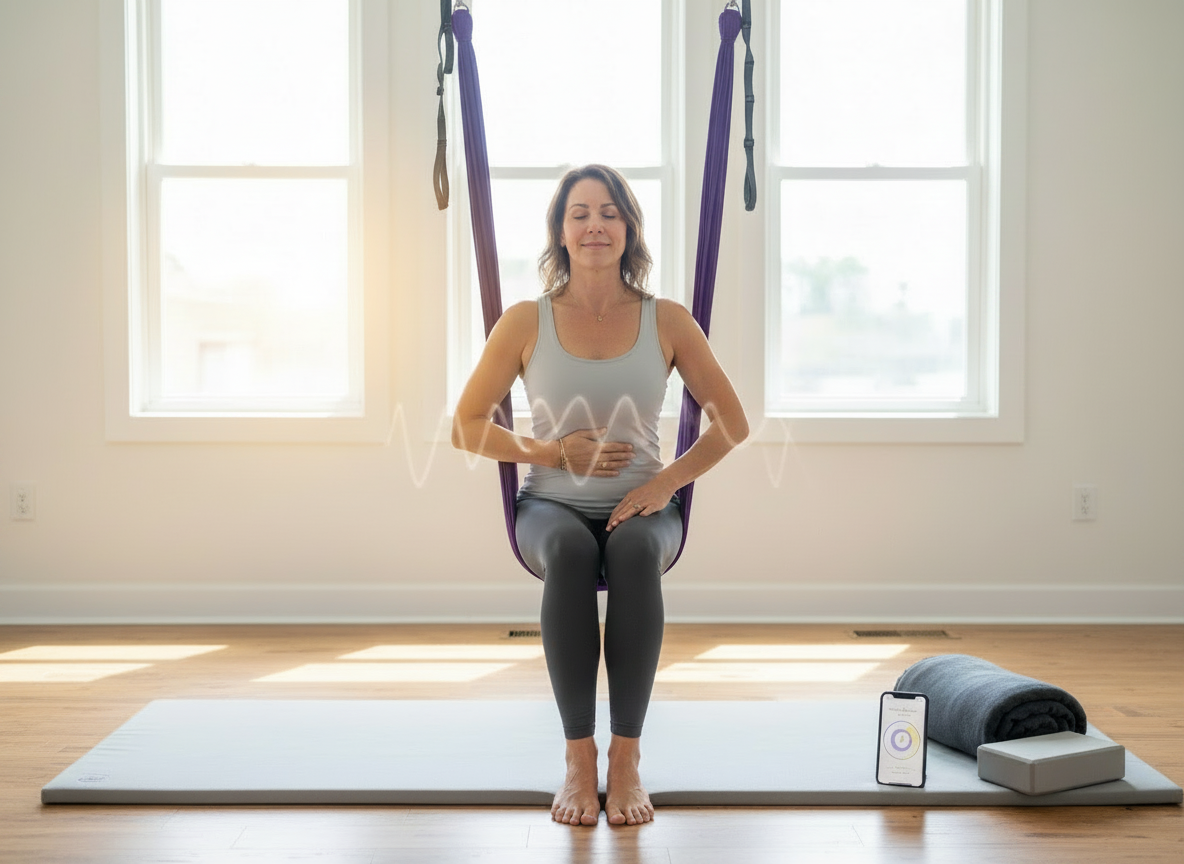
Aerial Sling, Hammock + Your Nervous System: Why “Regulation First” Makes Skills Safer and Faster
Most aerial students learn what to do—hand placement, wraps, climbs, “engage your core.” But far fewer are taught what’s happening in the nervous system while they do it. In this story, I share how one seemingly calm student hit a fight/flight/freeze wall right before inversions—and how breath, pacing, and choice helped her build safer confidence. If you’re learning aerial at home or you tend to “push through,” regulation-first cues can make skills feel faster, steadier, and more sustainable.
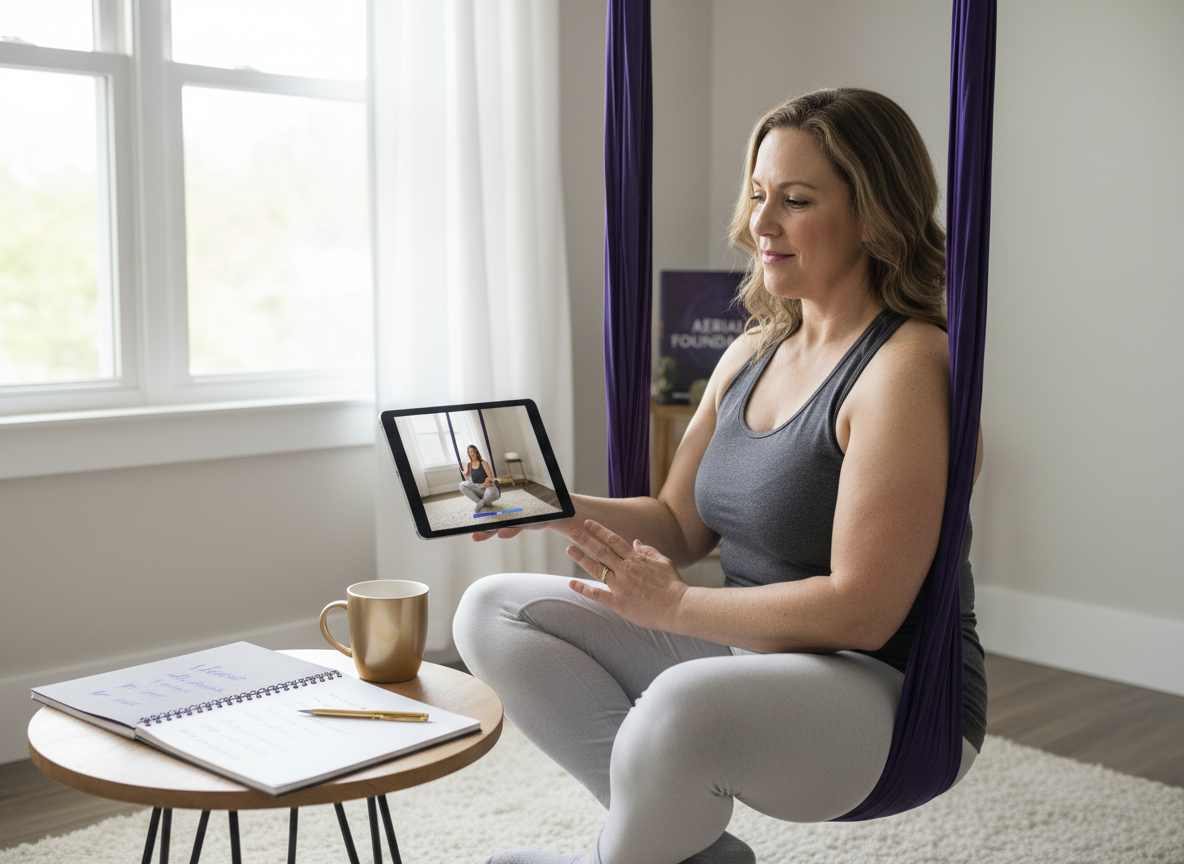
I Tried to Learn Aerial Online—Here’s What Was Missing (So I Built Aerial Foundations)
Aerial hammock healed my back—but trying to learn online left me confused, unsupported, and exposed to unsafe “beginner” choices. Here’s what was missing, and why I built Aerial Foundations.
Why Learning Aerial from Instagram or YouTube Is a Bad Idea (Even If You’re Careful)
Instagram and YouTube can be amazing for aerial inspiration—but they’re not a safe place to learn skills. A 30-second clip can’t teach prerequisites, progressions, exits, or what to do when something feels off, and that’s where injuries happen. In this post, I explain why “copying a move” isn’t the same as training it, and how to use social media the smart way: save ideas, then learn through a real pathway that builds strength, control, and confidence.
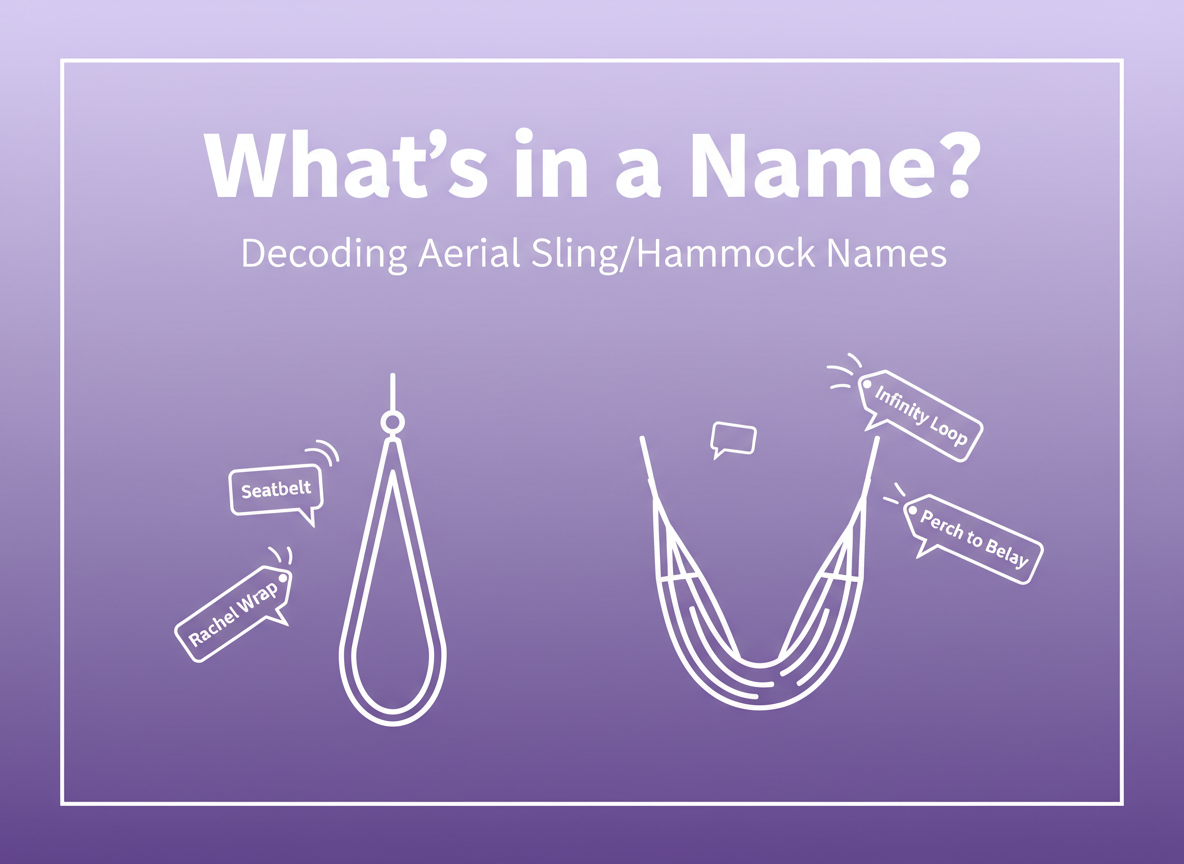
Confused by Aerial Sling/Hammock Names? A Beginner’s Guide to Aerial Terms
Aerial sling and hammock are magical… until the names start flying. One teacher’s “Rachel Wrap” is another teacher’s “Perch to Belay,” and suddenly you feel like you missed a whole chapter. In this beginner-friendly guide, you’ll learn why aerial move names change, how to recognize skills by the wrap and support (not just the label), and what to say in class so you can keep learning with confidence—no matter what your studio calls the move.
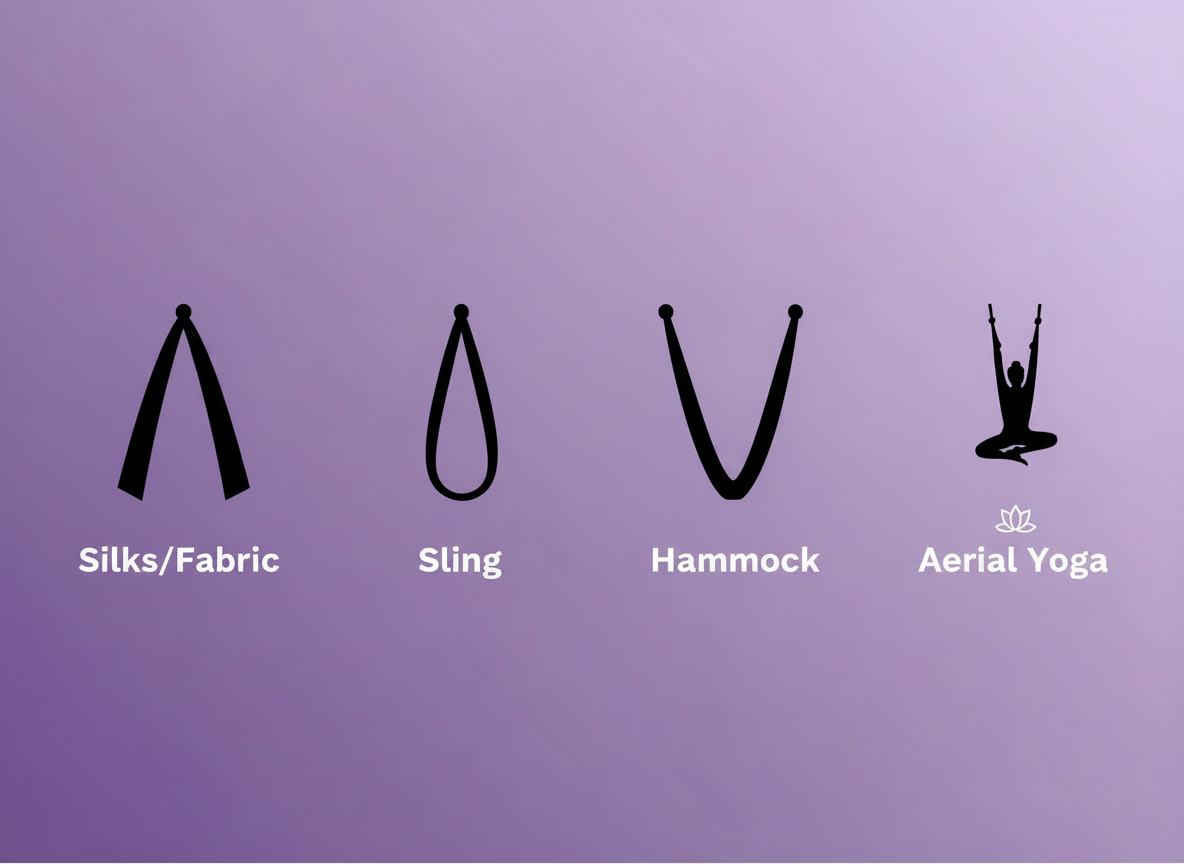
Aerial Sling vs Aerial Hammock vs Aerial Yoga vs Silks vs Fabric: What’s the Difference?
Same fabric, different setups—and the names can be wildly confusing. In this beginner-friendly guide, I break down the difference between aerial silks/fabric (two tails), aerial sling (one loop), and aerial hammock (two points), plus where aerial yoga fits in. You’ll learn what each one is, how it feels in your body, and how to choose the best place to start—without feeling like you have to “earn” your way into the air.
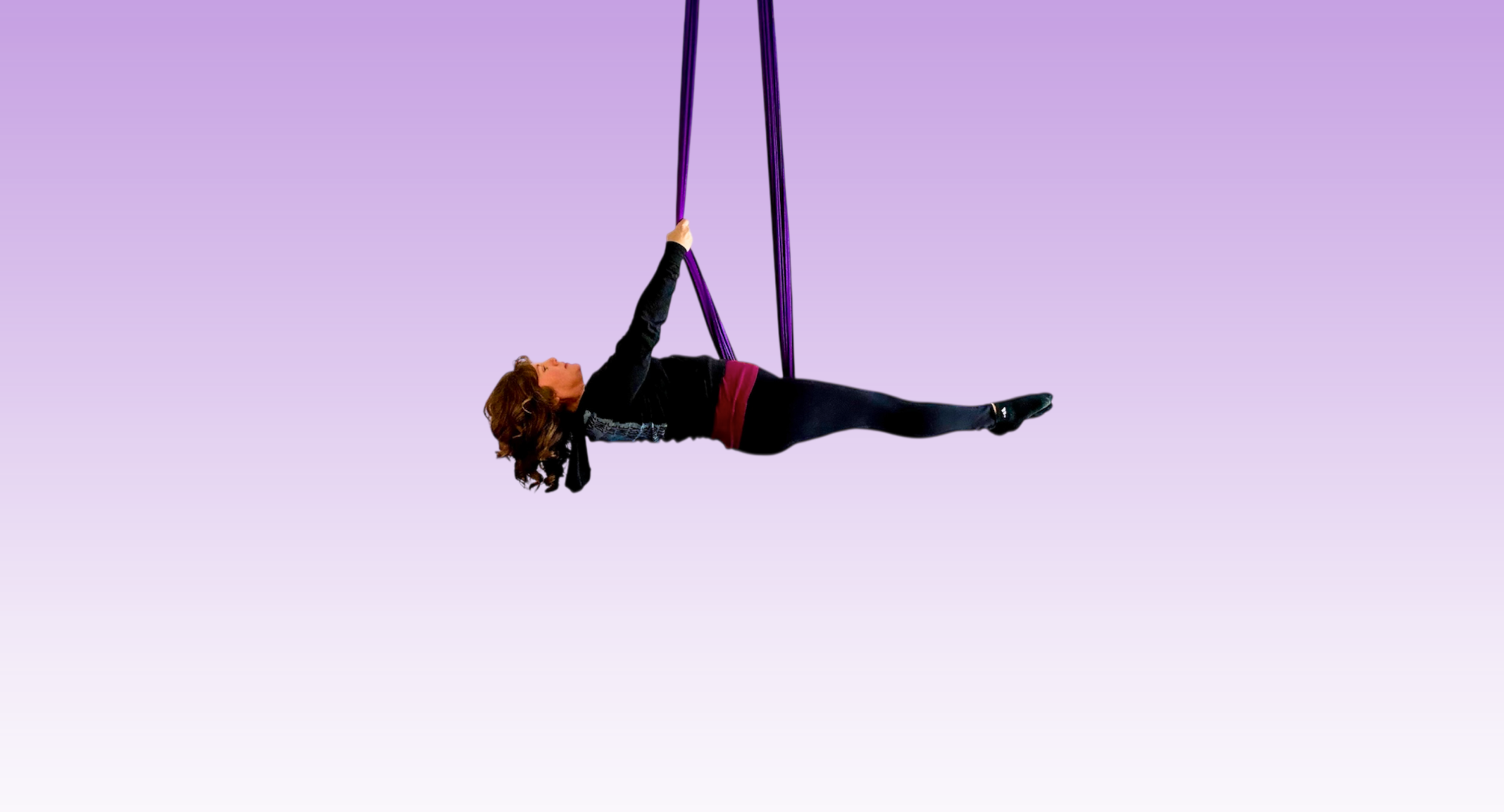
Nobody Starts at the Top: A Beginner-Friendly Way to Start Aerial Hammock (Aerial Yoga)
If aerial hammock feels intimidating, you’re not alone—and you’re not “not strong enough.” Social media shows the highlight reel, not the starting points. This post explains why every skill begins with smaller, safer steps and how Activation First helps you build confidence and progress.
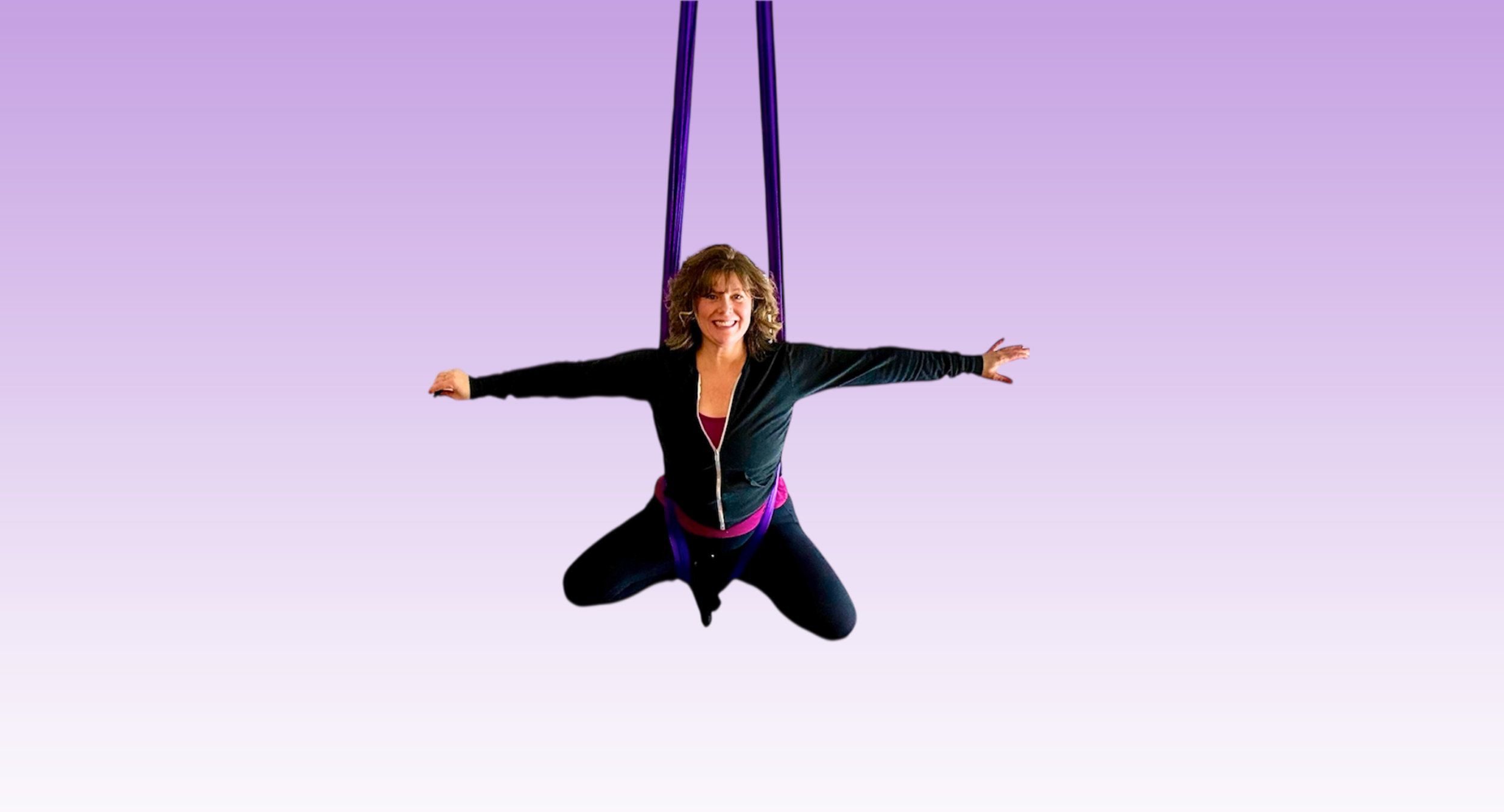
Aerial Yoga The Workout that Feels Like Play (Not Punishment)
Burned out by “fix your body” fitness? Aerial yoga in the hammock builds strength and core stability with low-impact movement—plus stress relief. Turn working out into an hour of play and stop torturing yourself..
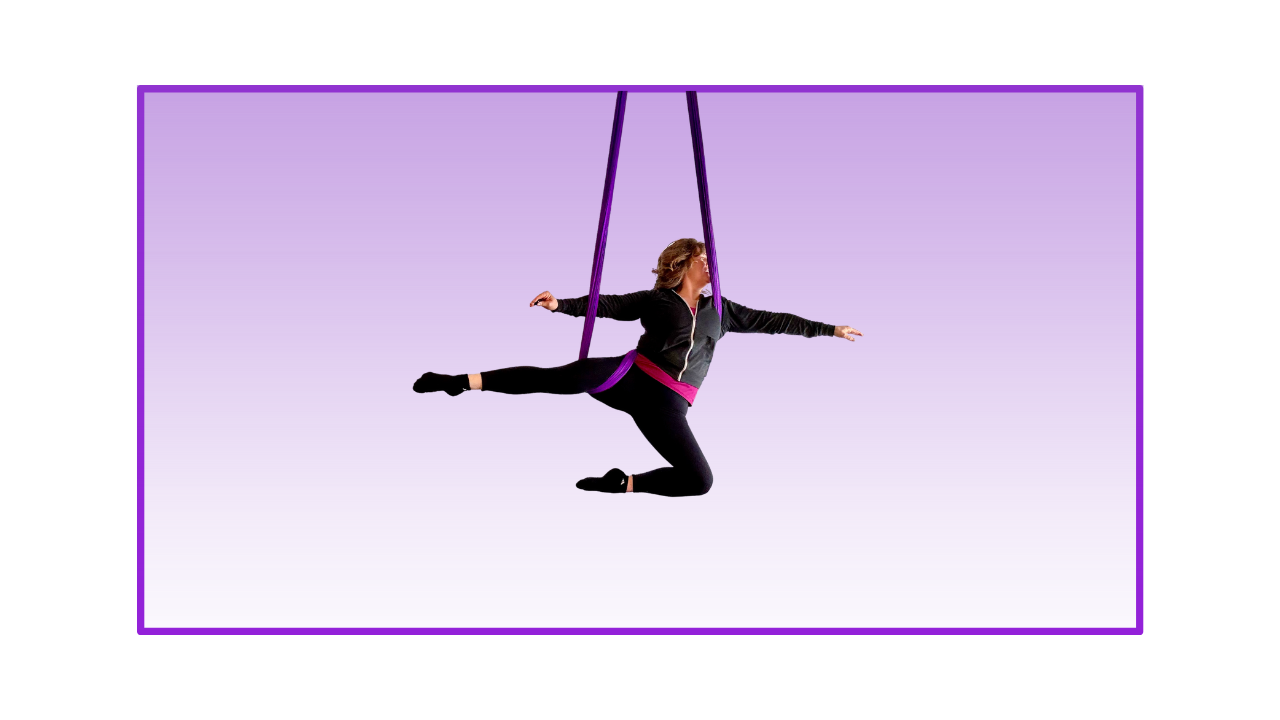
Think You Can’t Do Aerial Sling/Hammock? Start Here (Come As You Are)
If you’ve been watching aerial videos and thinking, “Maybe someday… when I’m stronger, smaller, more flexible,” you’re not alone. I’ve been there too. Here’s what I wish someone had told me sooner: you don’t have to earn your place in the air. You just need a safe way to begin.
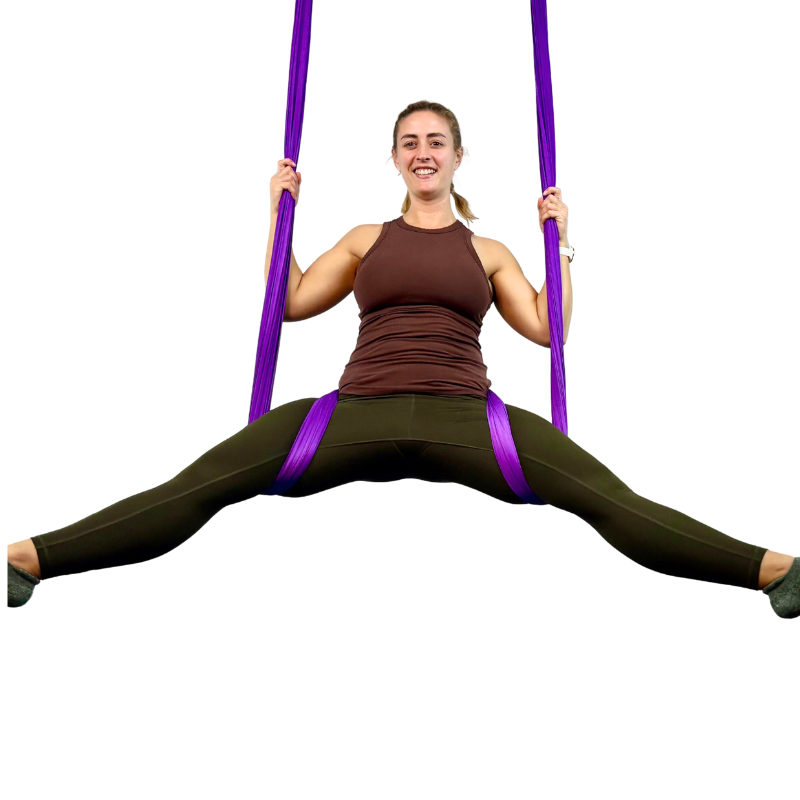
Beginner Aerial Sling: 5 Real-World Tips for Fearless, Joyful Flight at Home
Ever looked at your aerial sling and thought, “Can I really do this?” You’re not alone. Every aerialist—no matter their age, shape, or experience—started right where you are: a little nervous, a lot curious, and maybe tangled up more than once. But here’s the truth: your body belongs in the air, and your journey is uniquely yours.
In this post, I’m sharing five real-world tips that go beyond safety—they’re about claiming your space, celebrating every wobble, and finding pure joy in the process. Ready to ditch perfection and discover what you’re capable of? Let’s fly, together.
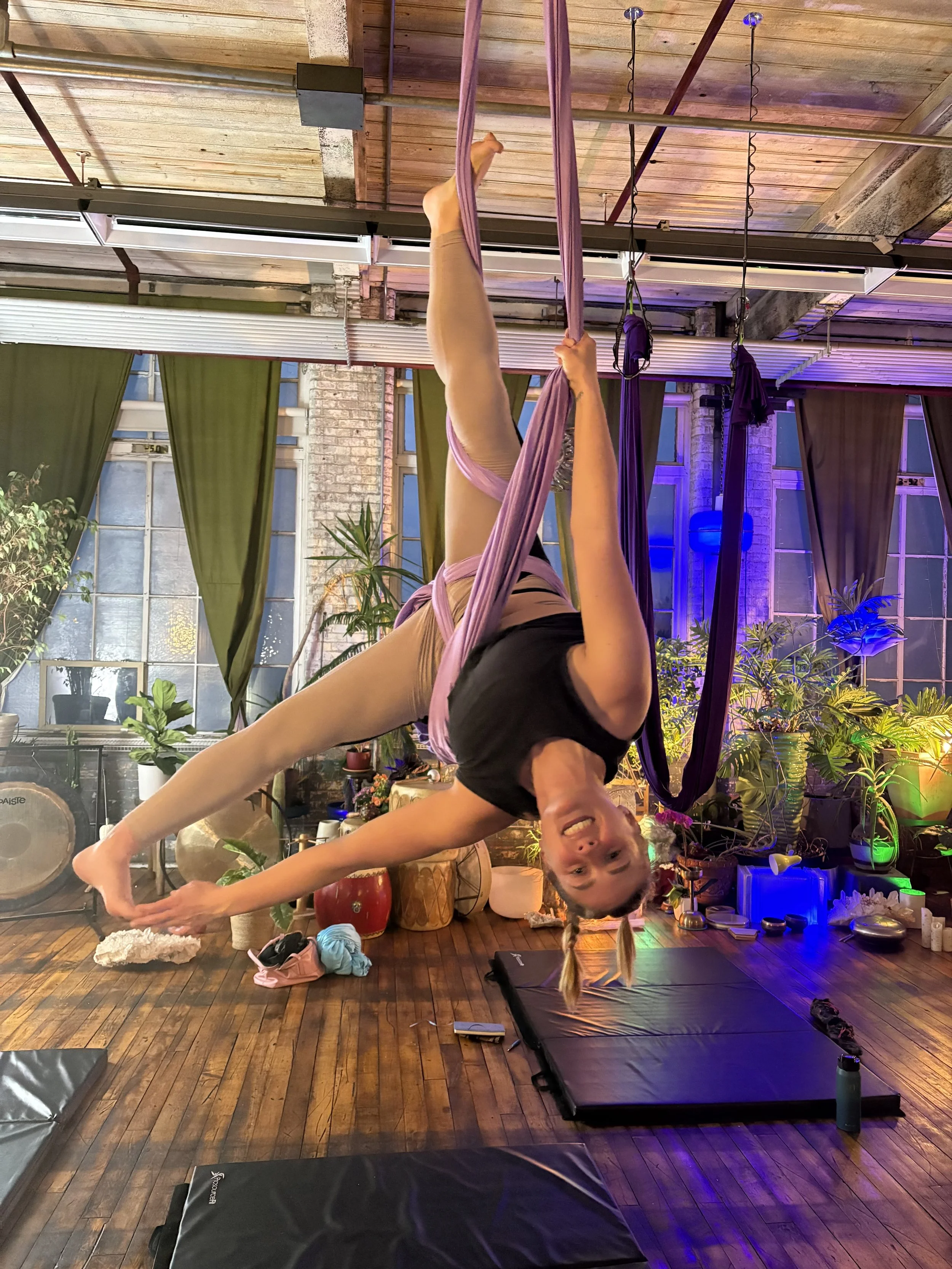
Why Every Body Needs a Foundation to Fly
"If the foundation isn't strong, the house can't stand forever," my grandfather used to say. Years later, struggling on the ice with a simple exercise that should have been easy, I realized I'd lost the foundation my first coach had given me. I'd hidden bad habits within speed and impatience. Now, as I teach aerial arts, I see the same pattern everywhere: we want the big jumps, the Instagram-worthy tricks, the instant results—without building the foundation that makes true flight possible.
I Thought My Body was Wrong for Outdoor Adventure Sports . . .
There once was a little girl who loved the woods. When no one was looking, she’d escape to the trees, climb into a nook, and read a book for hours.

Break Up With the Concept of Age
If we were left alone, with good nutrition, no one around us, would we age in the same way, or would we find our own pace for life and our dreams? Would our biology remain younger if we didn’t see the passing of time or bought into the belief that it had to happen?